The Gorton & Denton Earthquake: A Wake-Up Call for Labour
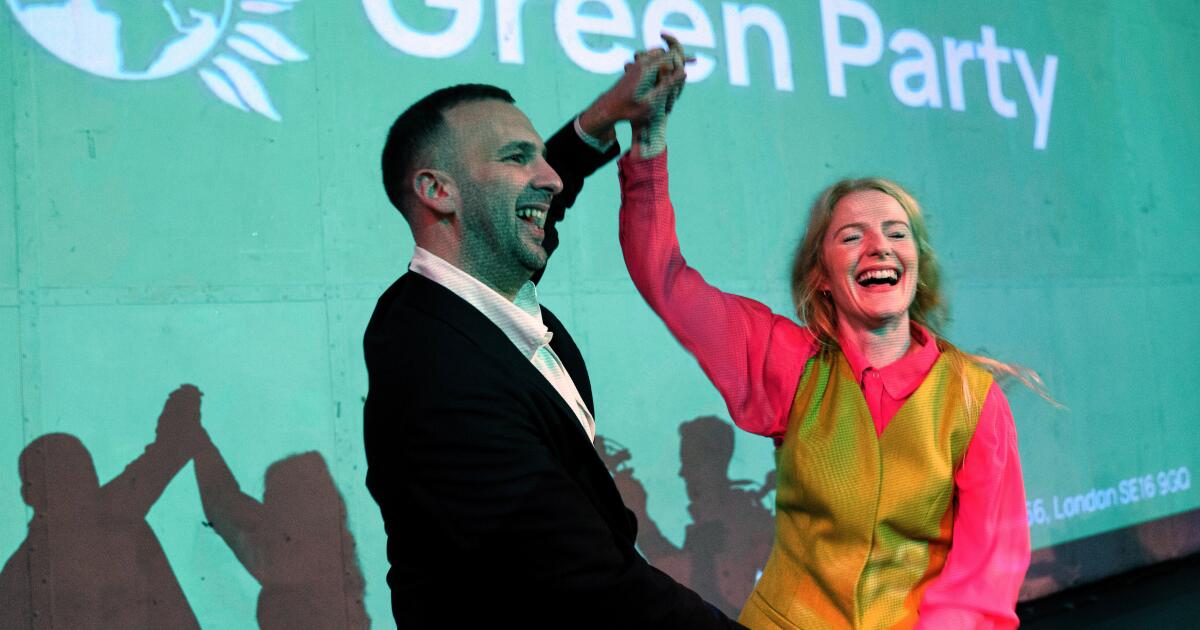
The political landscape of the United Kingdom has been rattled, not by a tremor, but by what the Green Party leader jubilantly described as a "seismic" win. In a stunning by-election upset, the Labour Party lost its century-long stronghold of Gorton and Denton in Greater Manchester, a seat it had dominated for an unparalleled period. This wasn't merely a loss; it was a profound humiliation, with Labour relegated to a distant third place behind Nigel Farage’s Reform UK, which secured second, and the triumphant Green Party candidate, Hannah Spencer, a 34-year-old plumber, who swept to victory.
For Keir Starmer, the Labour leader, the result was predictably "very disappointing." Yet, his acknowledgement goes deeper, hinting at a broader malaise within his party's support base. Starmer has openly admitted understanding that voters are "frustrated" and, crucially, "impatient for change." This by-election isn't just a blip; it's a glaring symptom of a deeper discontent, vividly illustrating why starmer voters are impatient and increasingly willing to look beyond traditional political allegiances for solutions.
The Gorton and Denton result is more than just another data point; it's a powerful narrative. It highlights a critical juncture for Labour, forcing a reckoning with its strategy, messaging, and ability to inspire. The conventional wisdom that certain seats are "safe" has been obliterated, replaced by a stark reality: voter loyalty is no longer guaranteed, and the appetite for genuine, impactful change is growing.
Why Starmer Voters Are Impatient: Decoding the Frustration
The narrative of voter frustration didn't emerge overnight; it's been simmering for years, intensified by economic headwinds, political scandals, and a perceived lack of decisive leadership across the political spectrum. However, for Labour and its leader, Keir Starmer, the Gorton and Denton defeat crystallizes a specific brand of impatience among their traditional base and potential new supporters.
The Search for a Compelling Vision
- Lack of Clarity: Many traditional Labour supporters, and even swing voters, express a desire for a clearer, bolder vision for Britain's future. They are impatient for change, but often find Labour's current offerings to be overly cautious or lacking in the transformative ambition they associate with the party's historical identity.
- Policy Gaps: While Labour has outlined policies on various issues, some voters perceive a gap in truly innovative or resonant proposals that address the acute cost-of-living crisis, public service decline, or climate change with sufficient urgency and originality. The Greens, in contrast, presented a focused agenda that clearly resonated in Gorton and Denton.
- Leadership Quandary: Beyond policies, the question of leadership charisma and steel often arises. Is Starmer seen as a strong, inspiring figure capable of rallying the nation, or does he project an image of caution that fails to ignite the passion of those desperately seeking a new direction?
Economic and Social Discontent
The backdrop to this political impatience is, undeniably, the economic reality facing millions. Inflation, stagnant wages, precarious employment, and overstretched public services like healthcare and education contribute to a widespread sense of disillusionment. Voters want to see tangible improvements in their daily lives, and if mainstream parties aren't delivering, or at least articulating a credible path to delivery, their patience wears thin. The Green Party's focus on local issues and environmental justice, combined with a clear anti-establishment message, tapped into this frustration effectively in Greater Manchester.
Disillusionment with Mainstream Politics
Beyond Labour specifically, there's a broader fatigue with the political establishment. Consecutive governments have grappled with monumental challenges, often leaving a trail of unmet promises or perceived missteps. This contributes to a sense that the traditional parties are out of touch or incapable of fundamentally altering the trajectory of the country. This profound disillusionment fuels the desire for radical change, making voters, including those who once reliably supported Labour, more open to alternatives, as demonstrated by the strong showing for both the Green Party and Reform UK.
The Shifting Sands of British Politics: Beyond Two-Party Dominance
The Gorton and Denton by-election is not an isolated incident; it's a potent symbol of a fundamental realignment within British politics. The traditional two-party system, once the bedrock of the UK's democratic structure, appears increasingly fragile. The rise of parties like the Greens and Reform UK as serious contenders, even in historically impregnable seats, signals a profound shift in voter behaviour and expectations.
The Erosion of Traditional Loyalties
For decades, many constituencies were considered 'safe' because of deep-seated party loyalties, often generational. However, these ties are weakening. Voters, particularly younger generations, are less inclined to vote purely based on family tradition or historical allegiance. They are more likely to scrutinize policy, leadership, and perceived integrity. This critical approach makes them more fluid in their voting choices, prepared to back a party that best represents their immediate concerns or offers a vision of genuine change, regardless of its traditional standing.
The Rise of "Third" Parties as Viable Alternatives
The Green Party's victory in Gorton and Denton, and Reform UK's strong second-place finish, demonstrate that these parties are no longer fringe elements. They are increasingly seen as credible protest vehicles or even genuine alternatives. The Greens, with their focused environmental agenda and often community-centric approach, are appealing to voters disillusioned with the slow pace of climate action and seeking a more progressive vision. Reform UK, conversely, taps into a different vein of discontent, often focusing on issues of immigration, national sovereignty, and anti-establishment sentiment.
This fragmentation of the vote means that future elections, including the next general election, are likely to be more unpredictable and multi-faceted. Parties will increasingly need to compete on multiple fronts, addressing diverse concerns and no longer able to rely on inherited votes. This is particularly challenging for Labour, as starmer voters are impatient for results, and now have more readily available alternatives to express their discontent.
Starmer's Conundrum: Navigating the Path Forward
The Gorton and Denton defeat places immense pressure on Keir Starmer and the Labour Party. It wasn't just a loss; it was a strong rebuke in a heartland seat, exacerbating weeks of political turmoil and reigniting calls for Starmer to resign. He stands at a critical juncture, needing to demonstrate decisive leadership and a clear strategy to reassure his base and win over skeptical voters.
Acknowledging and Addressing Voter Frustration
Starmer's acknowledgement that he understands voters are "frustrated" and "impatient for change" is a necessary first step, but it's far from sufficient. The real challenge lies in translating this understanding into actionable strategies. Labour must engage in deep introspection to understand precisely what kind of "change" voters are seeking. Is it a return to traditional Labour values, a bolder move towards modern progressive policies, or a more pragmatic, technocratic approach?
Reconnecting with the Base and Broadening Appeal
The task facing Labour is multi-faceted: they need to reconnect with their traditional working-class base, many of whom feel alienated, while simultaneously appealing to the growing number of environmentally conscious and socially liberal voters, some of whom are now opting for the Greens. Furthermore, Labour must find a way to win back voters who have drifted to Reform UK, understanding their concerns without compromising core party values. This is where Starmer Under Pressure: Impatient Voters After Gorton & Denton Fall becomes a key theme for the party's strategists.
Practical steps Labour might consider:
- Bold Policy Announcements: Moving beyond cautious positions to present transformative policies that genuinely address the cost of living, public services, and climate change with clear, tangible solutions.
- Stronger Local Engagement: Rebuilding trust and presence at the grassroots level, ensuring that local concerns are heard and acted upon, rather than simply dictated from Westminster.
- Refined Messaging: Crafting a compelling narrative that articulates a hopeful vision for the future, demonstrating how Labour's policies will directly improve the lives of ordinary people.
- Leadership Reinvention: Starmer may need to project a more dynamic and decisive image, demonstrating the conviction and charisma necessary to inspire a disaffected electorate.
What This Means for Future Elections and the Impatient Electorate
The Gorton and Denton by-election is a significant barometer for the health of British democracy and a stark warning for major parties. It signals that the electorate, particularly segments like starmer voters impatient for real change, are no longer predictable. This has profound implications for the next general election and beyond.
Increased Volatility and Unpredictability
The era of guaranteed safe seats appears to be drawing to a close. This by-election highlights increased electoral volatility, where local issues, candidate personality, and specific campaign strategies can disproportionately sway results. Parties can no longer afford complacency; every vote must be earned.
The Power of Protest and Specific Agendas
Voters are increasingly using their ballots to send clear messages. Whether it's a protest against perceived government failings (benefiting the Greens and Reform) or a demand for a specific agenda (like climate action), parties must recognize that a single by-election can encapsulate widespread national sentiments. This empowers voters, as their individual choices collectively hold greater sway.
Tips for Voters: Engaging with a Changing Political Landscape
- Look Beyond Traditional Parties: Research the policies and candidates of all parties, not just the historically dominant ones.
- Demand Specificity: Don't settle for vague promises. Push candidates and parties for clear, costed policies that address the issues you care about.
- Engage Locally: Your local council and MP represent your immediate concerns. Get involved, ask questions, and hold them accountable.
- Understand Your 'Protest' Vote: If you're voting for a smaller party, understand the message you're sending and the potential impact (or lack thereof) on government formation.
Tips for Political Parties: Adapting to the New Reality
- Listen Intently: Conduct genuine listening exercises beyond focus groups. Engage with communities directly to understand their frustrations and aspirations.
- Be Agile: The political landscape can shift rapidly. Parties need to be able to adapt their strategies and messages quickly in response to voter sentiment and emerging issues.
- Offer Authenticity: Voters are increasingly cynical about career politicians. Authenticity, transparency, and a genuine connection to the public's concerns will be crucial.
- Don't Take Any Vote for Granted: The Gorton and Denton result is a potent reminder that even the safest of seats can fall. Continuous engagement and demonstrable value are paramount.
The Green Party's victory in Gorton and Denton is a powerful testament to a changing political tide, one where long-held loyalties are eroding, and voter impatience is reaching a crescendo. For Keir Starmer and the Labour Party, it's a profound challenge to redefine their purpose, articulate a compelling vision, and reassure a skeptical electorate that they truly understand and can deliver the change so many are desperately seeking. The British political stage is set for continued upheaval, driven by an electorate increasingly unwilling to wait for promises that fail to materialise.